

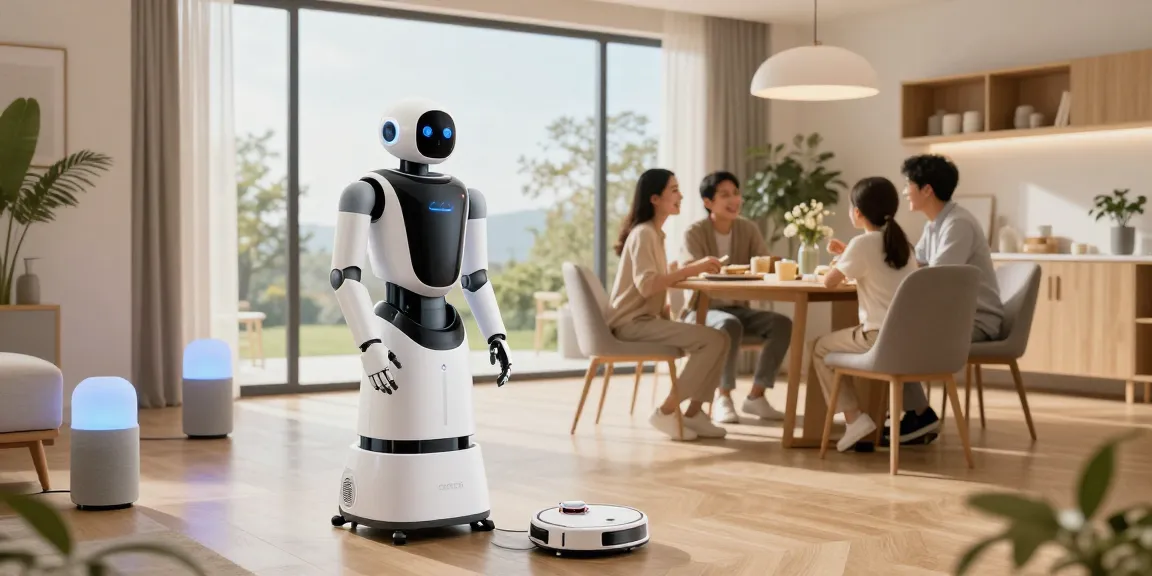
Introduction to Home Robots in 2026
As we step into 2026, the realm of home robotics is not just evolving; it’s exploding with innovative solutions aimed at enhancing our daily lives. Home robots are becoming increasingly sophisticated, equipped with features that promise to transform mundane chores into effortless tasks. From multifunctional assistants that can handle everything from cleaning to cooking, to advanced AI systems that learn from user preferences, the future of home automation is brightly lit. When exploring options, home robot 2026 is a relevant consideration for those looking to streamline their daily routines.
What to Expect from Home Robots in 2026?
The year 2026 heralds a new era of home robots characterized by enhanced artificial intelligence, greater adaptability, and a focus on user-friendliness. These robots will not only perform singular tasks but will become multifaceted tools capable of integrating seamlessly into smart home ecosystems. Expect home robots that can handle complex cooking processes, manage laundry, and even assist in elder care with emotional support capabilities. As technology advances, these robots will evolve to be more interactive and efficient, making them a valuable asset in modern households.
Key Features of the Latest Home Robots
- Artificial Intelligence: Advanced AI algorithms enable robots to learn and adapt to their users’ routines and preferences, tailoring their responses to individual needs.
- Voice and Visual Recognition: Enhanced sensory capabilities allow robots to interact more naturally with users, responding to verbal commands and recognizing faces.
- Multi-Tasking Abilities: Unlike their predecessors, new models can perform several household chores, like cooking and cleaning, all from a single device.
- Smart Home Integration: Compatibility with various smart home devices ensures that robots can control lighting, temperature, and security systems.
- Remote Management: Users can operate their robots from anywhere through mobile apps, allowing for real-time monitoring and adjustments.
How Home Robots Enhance Daily Living
Home robots are designed to simplify life, leading to enhanced productivity and reduced stress. By automating routine tasks, these devices free up time for families to focus on what truly matters—spending quality time together, pursuing hobbies, or simply relaxing. Furthermore, with the capability to learn from users and adapt over time, home robots not only streamline daily routines but also contribute to a harmonious living environment by anticipating needs and preferences.
Top Home Robots of 2026
NEO: The Multifunctional Home Assistant
One of the most anticipated models of 2026, the NEO home robot, promises to be a game-changer in household management. This multifunctional assistant is capable of performing a wide array of tasks including cleaning, cooking, and even basic home maintenance. With its intuitive programming, NEO can learn the layout of its environment, making it efficient at navigating around furniture and household obstacles. Its design includes a visual interface that allows for interactive conversations, making it feel more like a family member than a mere appliance.
LG CLOiD: The Future of Household Chores
Another notable contender is LG’s CLOiD, which is setting new standards for home automation. This AI-powered robot is focused on eliminating household chores like laundry and cooking. With its predictive capabilities, CLOiD can analyze your family’s eating habits and preferences to suggest meals or prepare them on demand. Its sleek design allows it to blend into modern homes, and its advanced sensors ensure safety while operating around pets and children.
Comparing Popular Models: Which Robot is Right for You?
With a multitude of options available, selecting the right home robot can be overwhelming. Consider factors such as the size of your home, the specific chores you want automated, and your budget. For instance, if laundry management is your primary concern, models like the LG CLOiD may suit your needs best. Conversely, if you’re looking for a versatile assistant capable of a wider range of tasks, NEO could be the perfect fit. Evaluating these factors will help in making an informed decision that aligns with your lifestyle.
Integrating Home Robots into Your Smart Home
Setting Up Your Home for a Seamless Experience
The integration of home robots into existing smart home setups can greatly enhance their functionality. To ensure a seamless experience, it’s essential to evaluate your home’s infrastructure, including Wi-Fi strength and compatibility with smart devices. Preparing a dedicated charging station in a convenient location can also facilitate easy access. Furthermore, a user-friendly app that manages all connected devices can streamline interactions, making it easier to schedule tasks and monitor their progress.
Connecting Home Robots with Other Smart Devices
To maximize efficiency, home robots can easily connect with other smart devices like thermostats, lights, and security systems. This synergy allows for collaborative action, such as setting the mood for dinner while the robot prepares the meal. Simple configurations in the app settings can ensure that your robot operates optimally, whether it’s adjusting home lighting while you cook or notifying you when household tasks are completed.
Best Practices for Effective Use of Home Robots
To get the most out of your home robot, consider these best practices: always update its software to ensure it operates with the latest features and security patches, establish a consistent cleaning schedule to keep your robot functioning properly, and engage with your robot to help it learn your preferences better. Understanding how to utilize its features fully can enhance your experience and foster a productive partnership between you and your robot.
Challenges and Limitations of Home Robots
Understanding the Current Limitations
Despite advancements, home robots are not without their challenges. Current limitations include difficulties navigating complex environments, the inability to perform delicate tasks requiring human-like dexterity, and issues related to battery life during prolonged use. Additionally, there are concerns about the robots’ ability to understand context and make decisions akin to human judgment.
Addressing Concerns: Safety and Maintenance
Safety remains a paramount concern with the introduction of household robots. Ensuring these devices are equipped with sensors to avoid obstacles and detect pets can alleviate some worries. Regular maintenance—such as cleaning sensors and updating software—will also ensure safe and effective operation. Manufacturers are continually improving safety features, but user diligence is vital in maintaining a secure environment.
Future Developments: Overcoming Challenges in Robotics
The future of home robotics hinges on addressing existing limitations, with manufacturers actively researching solutions. Innovations in robotics technology, including enhanced AI algorithms that mimic human decision-making or improved navigation systems to handle complex home layouts, are on the horizon. The incorporation of advanced sensors and materials may also lead to better performance and safety in household robots.
Future Trends in Home Robotics Beyond 2026
Advancements in AI and Machine Learning for Home Robots
The next decade promises to bring phenomenal advancements in AI and machine learning, allowing home robots to become even more intuitive. These robots will be able to analyze user behavior and adjust their operations accordingly, leading to a more seamless and personalized experience. The goal is to develop robots that can understand the emotional context of their surroundings, thereby catering not just to physical tasks but also to emotional support.
Predictions for Home Robotics in the Next Decade
In the next ten years, we anticipate a shift toward multi-functional robots that can adapt to various tasks without manual recalibration. The introduction of subscription-based models for software updates and functionalities could also be a trend, allowing consumers to customize the capabilities of their robots. Additionally, a rise in the integration of robotics with augmented reality could lead to immersive interaction experiences within households.
How Home Robots Will Change Family Dynamics and Lifestyle
As home robots take on more responsibilities, family dynamics are set to evolve. With these devices handling routine chores, family members will have more time to connect with each other, pursue hobbies, or engage in educational activities. This shift will lead to healthier living environments and improved mental well-being for all family members. The ability for families to customize and interact with their robots will foster deeper connections, making these devices integral parts of daily life.
What are the Benefits of Home Robots 2026?
Home robots bring a variety of benefits for modern households. They increase efficiency by automating mundane chores, allowing families to allocate their time and energy to more meaningful activities. These robots can also contribute to a cleaner home environment by maintaining regular cleaning schedules. Enhanced accessibility features allow individuals with varying needs to benefit from robotics, promoting independence and quality of life improvements.
How Much Should You Expect to Pay for a Home Robot?
Pricing for home robots in 2026 will vary based on functionalities, brand, and capabilities. Expect to see entry-level models starting from around $1,000 to $2,500 for mid-range options, while premium multifaceted robots could reach upwards of $10,000. Investing in these robots can be seen as a long-term savings strategy when considering the time and effort saved on daily chores.
Are Home Robots Safe for Children and Pets?
Safety features in modern home robots are continuously being enhanced, making them safer for households with children and pets. Manufacturers are integrating obstacle detection and emergency stop functionalities to minimize risks. However, it remains essential for families to supervise interactions between robots and young children or pets during the initial acclimatization period to ensure safety protocols are understood.
What Tasks Will Home Robots Be Able To Perform?
In 2026, home robots will likely manage a wide variety of tasks including cleaning floors, doing laundry, preparing meals, and even offering companionship for the elderly. Future models may also be capable of performing simple repairs around the house and assisting with gardening tasks, showcasing their potential to serve in roles traditionally held by human family members.
How Do Home Robots Evolve with User Preferences?
Home robots will evolve by utilizing feedback mechanisms that allow them to learn and adapt to users’ routines and preferences over time. Through machine learning, these devices can analyze user interactions, making improvements in their algorithms to enhance the overall user experience. This personalized approach will lead to robots that feel more responsive and intuitive in everyday scenarios.
What Innovations Can We Look Forward To in Home Robotics?
The future holds exciting possibilities for innovations in home robotics. Expect advancements in material science that will produce robots with enhanced durability and flexibility, allowing them to operate in a wider variety of conditions. Moreover, breakthroughs in AI will enable robots to perform tasks with greater precision and thoughtfulness, transforming the way we interact with technology in our homes.